

Forklift Types Explained: A Complete Beginner’s Guide to Choosing the Right Forklift
January 13, 2026Forklift Types Explained: A Complete Beginner’s Guide to Choosing the Right Forklift
January 13, 2026The Silent Threat: What is the Most Common Forklift Hazard & How to Prevent It?
Forklifts are essential for efficient operations but come with significant safety risks. Understanding and managing these risks is crucial for protecting employees and your business.
The Critical Importance of Forklift Safety
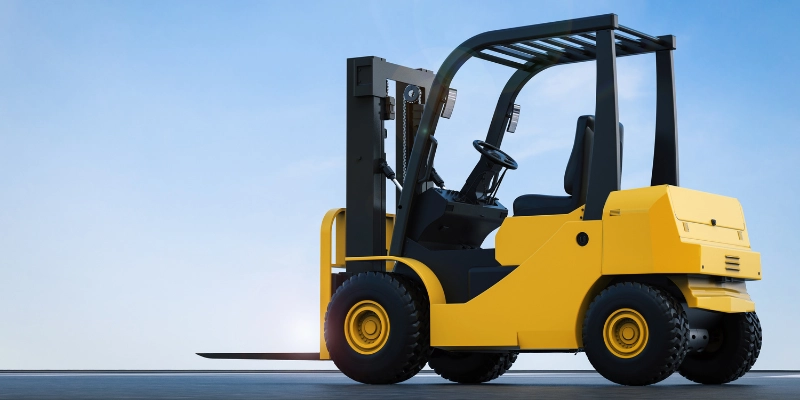
Forklifts are essential in many warehouse and industrial environments, helping to move heavy loads quickly and efficiently. But they come with significant risks. Every year, forklift accidents lead to injuries, fatalities, and costly downtime.
The most common hazards include forklift overturns, pedestrian collisions, and falling loads. These accidents can result in severe injuries and impact business operations, from fines to increased insurance premiums.
That’s why forklift safety is critical. Implementing safety measures like operator training, routine inspections, and proper signage not only keeps workers safe but also helps businesses stay compliant with regulations like OSHA standards. Prioritizing safety reduces risks and improves efficiency, creating a safer and more productive workplace.
By following these practices, businesses can protect their employees and avoid the costs associated with accidents.
If you're unsure which forklift type fits your project, our Forklift Repair Services in Dubai & Sharjah can help you choose the right equipment based on load capacity and work environment.
Identifying the Most Common Forklift Hazard
The Most Common Forklift Hazard: Forklift Overturns
The most common and dangerous forklift hazard is a forklift overturn. This happens when a forklift tips over, often due to instability caused by several factors such as heavy loads, sharp turns, or uneven ground.
According to OSHA, forklift overturns account for about 25% of all forklift-related accidents, making it one of the most frequent hazards in industrial settings.
Why Is This Hazard So Prevalent?
Forklift overturns are so common because they involve a mix of human, environmental, and operational factors that are present in many workplaces. Here’s why:
-
Human Factors:
-
Operator Error: Operators may make quick or risky decisions, such as speeding, improper load balancing, or failure to check surroundings, all of which increase the likelihood of an overturn.
-
Fatigue: Long hours or improper rest can impair an operator’s judgment, leading to mistakes on the job.
-
-
Environmental Factors:
-
Uneven Surfaces: Poorly maintained or uneven flooring in warehouses can make forklifts more susceptible to tipping.
-
Cluttered Aisles: When aisles are blocked or cramped, it’s harder for operators to maneuver safely, increasing the chances of accidents.
-
-
Operational Factors:
-
Overloading: Carrying a load that exceeds the forklift’s capacity can easily lead to tipping, especially if the load is unbalanced.
-
Lack of Maintenance: Without regular maintenance checks, mechanical issues can arise that affect stability, making overturns more likely.
-
Contributing Factors in Our Industry
At Forkliftop.com, we understand that forklifts are integral to many operations, and safety is a priority.
We emphasize proper operator training, consistent maintenance schedules, and clear, safe working environments to reduce the risk of forklift hazards like overturns.
Properly maintained equipment, clear signage, and ensuring operators follow safety guidelines can drastically lower the chances of these accidents happening.
By acknowledging these common causes, businesses can take targeted action to minimize forklift overturns and create safer, more efficient workplaces.
Key Factors Contributing to Forklift Overturns/Pedestrian Collisions
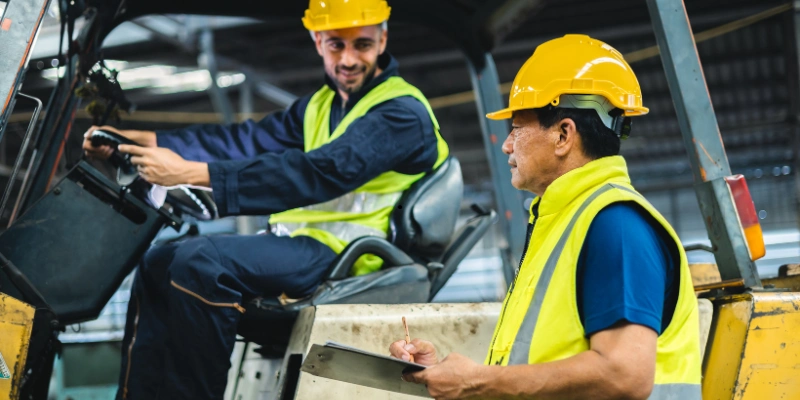
Forklift accidents, especially overturns and pedestrian collisions, are caused by a mix of human, environmental, and operational factors.
Understanding these key contributors helps us take effective steps to reduce risks.
Human Factors
-
Operator Behavior:
-
Speeding and Distractions: Operators in a rush or distracted by phones can easily lose control.
Solution: Set speed limits, discourage distractions, and encourage focus on the task at hand. - Improper Loading: Overloading or poorly balanced loads increase the risk of overturns.
Solution: Always ensure the load is evenly distributed and within weight limits. - Fatigue: Tired operators may miss hazards or make mistakes.
Solution: Regular breaks and rotating shifts can help reduce fatigue.
-
Environmental Factors
-
Poor Lighting and Uneven Surfaces: These make it harder to spot hazards or maintain stability.
Solution: Invest in proper lighting and regular floor maintenance to eliminate uneven surfaces. -
Cluttered Aisles: Obstructions can block an operator's path or visibility.
Solution: Keep aisles clear and regularly inspect for clutter.
Operational Factors
-
Lack of Maintenance: Forklifts that aren’t regularly inspected may have mechanical issues.
Solution: Implement daily pre-shift checks and a regular maintenance schedule. -
Inadequate Safety Training: Operators who aren’t properly trained are more likely to make mistakes.
Solution: Ensure thorough and ongoing safety training.
Preventive servicing plays a crucial role in avoiding mechanical failures that lead to accidents. Our expert Forklift Repair & Maintenance Services in UAE ensure your equipment remains safe, compliant, and fully operational.
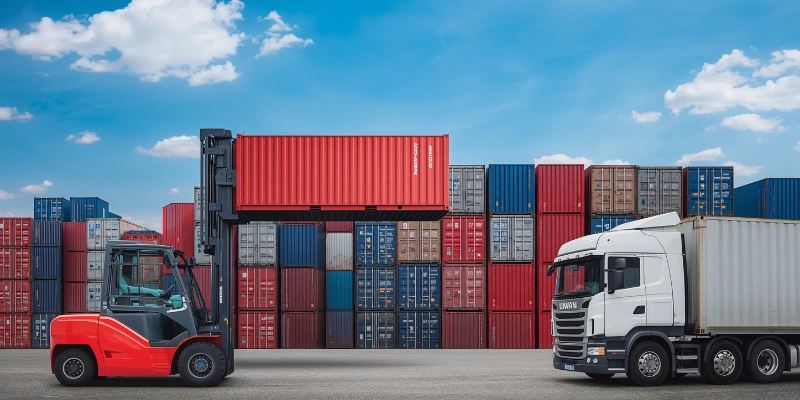
Ergonomic Accessories: Anti-fatigue Mats, Specialized Seating
Forklift operators often spend long hours standing or sitting, so providing ergonomic accessories like anti-fatigue mats and specialized seating is crucial to reduce fatigue and prevent long-term strain.
Why Ergonomics Matter
Uncomfortable or poorly supported operators can experience fatigue, which affects focus and safety. Anti-fatigue mats and specialized seating help keep operators comfortable, leading to fewer mistakes and improved safety on the job.
Anti-fatigue Mats and Specialized Seating
-
Anti-fatigue Mats: These mats reduce strain from standing for long periods by providing cushioning, which helps improve circulation and reduce joint pain.
-
Specialized Seating: Ergonomic seats with lumbar support help prevent back and leg strain, keeping operators comfortable and alert.
By investing in ergonomic accessories, businesses can enhance operator well-being, reduce injuries, and improve overall safety. At Forklift Operations, we emphasize the importance of comfort for safer, more productive operations.
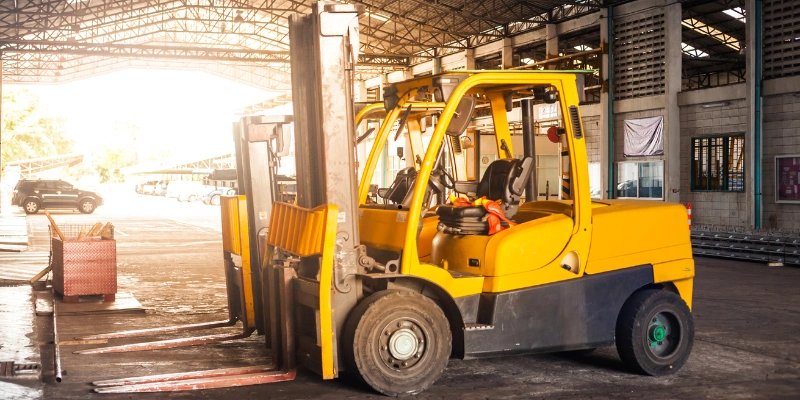
Workplace Safety Signage & Floor Markings
Clear signage and floor markings are essential in preventing accidents and keeping everyone safe in a warehouse or industrial setting. At Forklift Operations in Sharjah, we understand how important it is to ensure smooth operations while minimizing risks.
Importance of Clear Signage
-
Pedestrian Walkways: Properly marked walkways help prevent collisions between forklifts and workers.
-
Forklift Paths: Clear paths direct forklift traffic and reduce the risk of accidents with obstacles or pedestrians.
-
Hazard Zones: Marking hazard zones ensures that everyone is aware of high-risk areas and can take the necessary precautions.
Best Practices for Floor Markings
-
Use Bright, Visible Colors: Mark paths and hazards with bold colors like yellow and red for maximum visibility.
-
Create Clear, Separate Paths: Ensure forklift and pedestrian paths are distinct to avoid confusion and accidents.
-
Maintain Consistency: Use the same color codes and symbols throughout the workplace for easy identification.
At Forklift Operations, we stress the importance of clear signage and consistent floor markings to reduce risks and create a safer working environment for everyone.
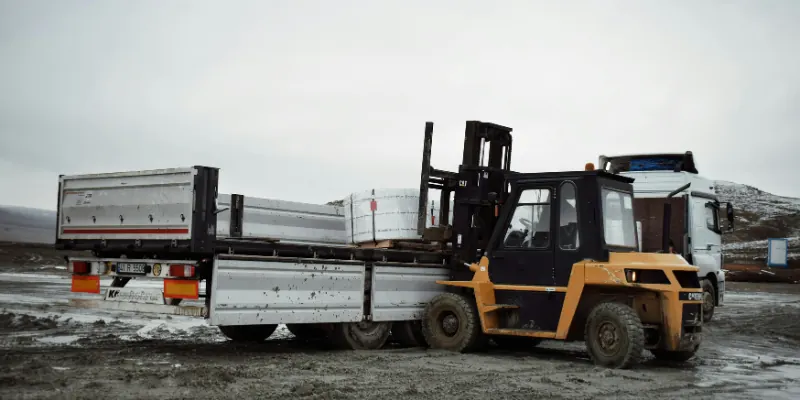
Comprehensive Prevention Strategies for the #1 Hazard
To prevent forklift accidents, such as overturns and pedestrian collisions, a well-rounded approach is essential. Our team focus on three key strategies:
1. Operator Training
-
Proper Training & Certification: Ensuring operators are properly trained and certified is crucial for safety. Certified operators know the correct handling techniques and safety protocols.
-
Ongoing Retraining & Safety Drills: Regular retraining and safety drills are necessary to reinforce safe practices and keep operators prepared for any situation.
2. Environmental Design
-
Clear Aisles & Adequate Lighting: Keeping aisles clear of obstacles and ensuring good lighting helps operators navigate safely and reduces accident risks.
-
Smooth, Even Surfaces: Well-maintained floors prevent forklift instability and minimize the risk of tipping over.
3. Operational Procedures
-
Standard Operating Procedures (SOPs): Establishing clear SOPs for forklift operation ensures consistency and safety. These guidelines should cover everything from speed control to safe maneuvering.
-
Load Stability & Speed Control: Focus on securing loads properly, controlling speed, and avoiding overloading. Safe maneuvering is essential to prevent accidents.
By focusing on these areas, businesses can create a safer environment for forklift operations. We believe that these comprehensive strategies are essential for minimizing hazards and ensuring a safe, efficient workplace.
Other Top Forklift Hazards to Watch Out For
Forklifts are incredibly useful, but they come with a set of risks. In addition to overturns, there are other hazards every workplace should be aware of.
1. Forklift Overturns
-
Risks: Overturns are one of the most dangerous forklift accidents. They can result in severe injuries or even fatalities. Most commonly, they occur due to overloading, speeding, or unstable terrain.
-
Prevention: Ensure loads are balanced, operators follow speed limits, and forklift operators are trained to handle different surfaces.
-
Impact: Forklift overturns can lead to injuries, loss of productivity, equipment damage, and increased insurance premiums.
2. Pedestrian Collisions
-
Risks: Collisions between forklifts and pedestrians are another significant hazard. These can cause serious injuries or fatalities.
-
Prevention: Use clear signage and floor markings to separate pedestrian and forklift traffic. Operators should always be aware of their surroundings and use horns when approaching blind spots.
-
Best Practices: Implement a “pedestrian-first” mindset, ensuring walkways are always clear and operators are trained to be extra cautious near workers.
3. Falling Loads
-
Risks: Loads that aren’t properly secured can fall off the forklift, causing damage or injury.
-
Prevention: Always check the load’s stability before moving it. Use appropriate securing devices, like straps or nets, and never exceed the forklift’s load capacity.
-
Preventative Measures: Regularly inspect lifting equipment and ensure operators are trained in proper loading techniques.
Damaged forks, worn chains, or weak hydraulic systems are common causes of falling loads. We supply high-quality Forklift Spare Parts to maintain safety and equipment reliability.
4. Mechanical Failures
-
Risks: Mechanical issues, such as faulty brakes or worn-out tires, can lead to accidents.
-
Prevention: Conduct regular inspections before each shift. At Forkliftop.com, we stress the importance of preventative maintenance to keep forklifts running safely and efficiently.
-
Importance of Inspections: Preventative maintenance ensures that mechanical failures are caught before they can cause accidents, keeping the workplace safe and avoiding costly repairs.
5. Reversing Accidents
-
Risks: Reversing a forklift can be tricky, especially in tight spaces, and it’s a leading cause of accidents.
-
Prevention: Always use a spotter when reversing, and install reversing aids like cameras or alarms to help operators navigate safely.
-
Best Practices: Ensure operators are trained on safe reversing techniques and never rely solely on mirrors. Spotters and aids can make all the difference in preventing accidents.
By staying on top of these forklift risks and following our best practices, businesses can keep their workplaces safe and efficient.
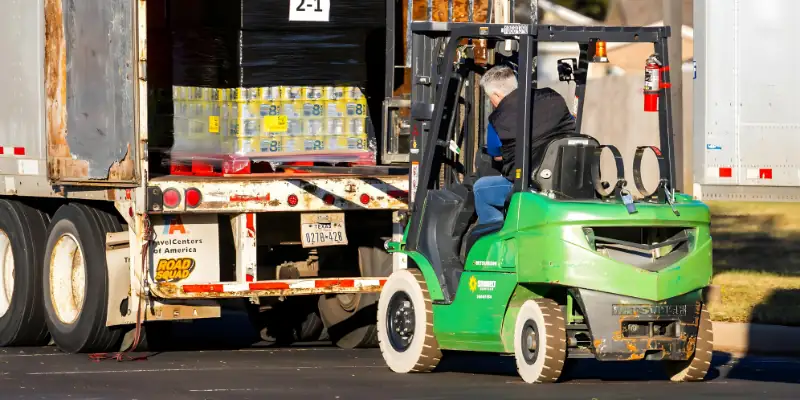
Regulatory Compliance: What You Need to Know
Compliance with safety regulations is essential for forklift operations. We help businesses stay aligned with key safety standards to avoid accidents and legal issues.
Key Safety Regulations
-
OSHA (U.S.) and HSE (UK) set the standards for forklift safety, covering operator training, equipment maintenance, and workplace safety protocols.
Key Compliance Requirements
-
Operator Training: Operators must be properly trained and certified.
-
Regular Inspections: Daily pre-shift checks and scheduled maintenance are necessary.
-
Clear Signage and SOPs: Proper signage and well-defined safety procedures help guide safe forklift operations.
Consequences of Non-Compliance
-
Fines and Penalties: Failure to meet regulatory standards can lead to heavy fines.
-
Increased Costs: Non-compliance can increase insurance premiums and legal liabilities.
Our team ensure businesses stay compliant by providing training resources and helping implement the necessary safety measures.
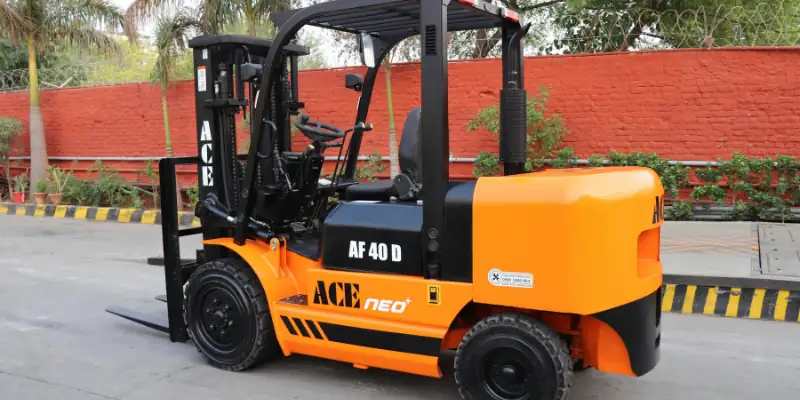
Developing a Proactive Forklift Safety Program
A strong forklift safety program isn’t just about ticking compliance boxes, it’s about protecting your people, your equipment, and your reputation.
The safest operations don’t wait for accidents to happen. They build systems that prevent them.
Building a Real Safety Culture
Safety starts with mindset. When operators, supervisors, and management genuinely care about doing things the right way, accidents naturally reduce. Encourage open conversations about risks, provide regular training refreshers, and recognize employees who follow safety best practices.
When teams feel heard and valued, they take ownership of workplace safety.
Create a Simple & Clear Reporting System
Near misses are warning signs, not inconveniences. If a forklift almost tips, a load nearly falls, or visibility is blocked in an aisle, that’s critical information. Make reporting easy and blame-free. The goal isn’t punishment, it’s prevention.
The more transparent your reporting system, the safer your operation becomes.
Commit to Continuous Improvement
A safety program should never stay static. Equipment changes. Workflows evolve. Teams grow. Regularly review procedures, inspect high-risk zones, analyze incident trends, and update policies accordingly.
Small improvements made consistently lead to long-term risk reduction and cost savings.
Involve Your Everyone
Forklift safety is a team effort. HR ensures proper training and certification. Safety officers monitor compliance and audits. Managers allocate resources and set expectations. When leadership actively supports safety initiatives, it sends a powerful message: safety is not optional, it’s operational priority.
A proactive forklift safety program does more than prevent injuries. It reduces downtime, protects assets, improves morale, and strengthens your company’s credibility. When safety becomes part of your daily operations insead of a policy manual, your entire business performs better.
Conclusion: Prioritizing Safety for a Hazard-Free Workplace
Most forklift accidents don’t happen because of one major failure, they happen when small risks are ignored. The good news is that the most common forklift hazards are preventable with proper training, routine inspections, and clear safety procedures.
Taking a proactive approach protects your team, reduces downtime, and lowers costly repair expenses. When safety becomes part of daily operations, productivity improves and employees work with greater confidence.
Forklift safety isn’t just about compliancep it’s about protecting lives and strengthening your business.
Need expert support with forklift safety, maintenance, or inspections?
Visit our services today and let our experienced team help you create a safer, more efficient workplace.